BitcoinVN is one of the more recognizable names in Vietnam's crypto scene, and it deserves to be judged in that local context. It is not trying to outgun Binance on global spot liquidity. Its value is that it has spent years building practical routes between Bitcoin, other digital assets, and Vietnamese dong. For people actually living in Vietnam, that local focus can be far more useful than a giant offshore exchange with limited domestic payment options.
The business traces its roots back to 2014, giving it a longer operating history than most regional crypto brokers. Longevity does not erase risk, especially in crypto, but it is meaningful. BitcoinVN has continued operating through several boom and bust cycles, regulatory uncertainty, bank friction, and the collapse of countless smaller services. That survival record is one of its strongest assets.
BitcoinVN's ecosystem has included an exchange and broker style services, a wallet offering, and local payment routes. The products have changed over time, as they should in a fast moving market, but the central proposition remains familiar. Vietnamese users can access a domestic facing service without forcing every transaction through foreign exchange rails. For a market where local banking compatibility matters, that is a serious advantage.
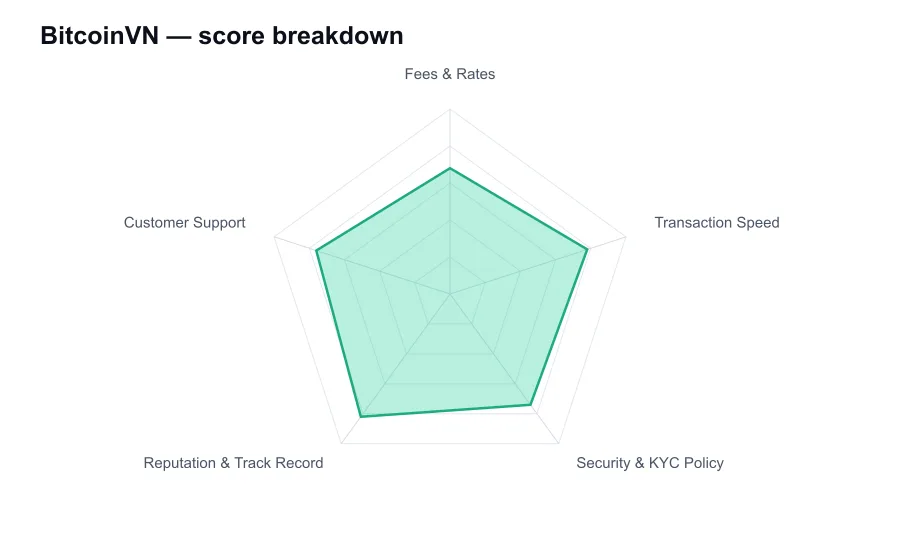
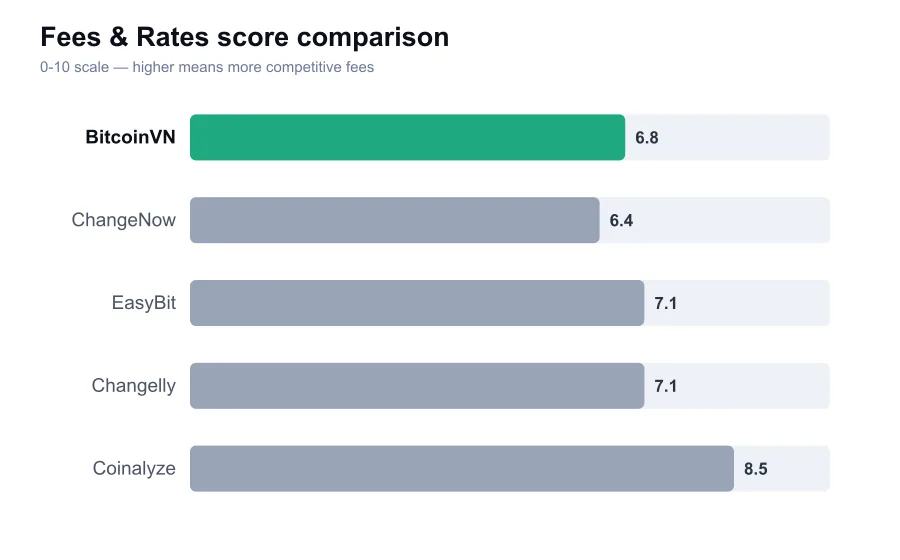
Fees depend heavily on the route used. A broker conversion is not priced like a limit order on a deep spot exchange, and BitcoinVN's convenience carries a visible or implied spread. The exchange side has historically been more attractive for users comfortable placing orders, while instant conversion services are easier but can cost more. You should always inspect the execution price, not just the stated percentage fee.
For VND to Bitcoin transactions, a local bank transfer can be a very practical option. It can be faster and less cumbersome than using an international card processor, particularly for users with Vietnamese banking access. The tradeoff is that domestic banking details and verification procedures need to line up correctly. It is a local service, not a magic bypass around banking compliance or market risk.
BitcoinVN is also a reminder that cheap trading and easy cash access are different products. An active trader can probably get lower headline fees on Binance, OKX, or Bybit, assuming those venues work smoothly for them. A person who needs an established local path to VND may reasonably accept a higher effective cost at BitcoinVN. Paying a little for a route that actually works can be rational. Paying blindly is not.
Speed is generally good on domestic transfer based transactions during normal hours, though no financial platform controls blockchain confirmation times. Bitcoin transactions can take longer during fee spikes, and withdrawals may be subject to operational review. Users should distinguish between a trade being credited internally and coins becoming spendable in a self custody wallet. That distinction is often where expectations get muddled.
The security story is stronger than that of a new anonymous swap site, largely because BitcoinVN has had years to develop operational discipline and because its local reputation is tied to its survival. Still, users should not leave more money on any custodial platform than necessary. A broker or exchange can have good intentions, solid staff, and sensible storage practices, yet still face operational, legal, or counterparty risks outside a user's control.
Identity requirements are not optional if you are using meaningful fiat rails. BitcoinVN has compliance obligations and can require customer verification, especially for VND services, larger transaction values, or activity that triggers review. That is less appealing to users seeking minimal disclosure, but it is a more realistic model for a service interacting with local banking infrastructure. Anyone promising permanent anonymity alongside reliable fiat access should be treated skeptically.
There is a cultural advantage here that is easy for international reviewers to overlook. A Vietnam focused provider can explain payment steps, local transfer conventions, and support issues in ways an overseas exchange may not. That reduces avoidable user error. It also makes BitcoinVN more relevant to expatriates and small businesses dealing with VND, provided they understand local rules and are not trying to evade them.
Reputation is good by regional standards, though it is not immune to criticism. Long running local companies collect complaints about delays, rates, account reviews, and support just as global exchanges do. The difference is that BitcoinVN has a public history substantial enough to assess. It has operated visibly through difficult market periods rather than appearing only after a bull market created demand for another crypto broker.
Support is one area where a smaller, local operator can beat an international giant. A user dealing with a Vietnamese bank transfer often needs a human who understands the transfer reference, bank cutoff times, and local language. BitcoinVN's support can be valuable in those cases. It is still not a reason to expect instant answers at every hour, and users should document payment evidence carefully before opening a ticket.
I would not recommend BitcoinVN as a primary trading desk for someone chasing the lowest possible spread across dozens of altcoin pairs. That is simply not its best use. It makes more sense for Bitcoin buyers and sellers who prioritize a known local name, VND access, and a clearer path between bank money and self custody. Its narrower focus is a feature, not a failure.
My view is that BitcoinVN earns trust through persistence and local utility, not through flashy product breadth. It is strongest for transactions that begin or end in Vietnam. Users should compare rates, keep coins in their own wallet after purchase, and treat every custodial service with restraint. For its intended audience, it is one of the more defensible choices in the region. For everyone else, a global exchange may be simpler and cheaper.