Exolix is a non custodial style instant exchange service designed for people who want to swap one asset for another without opening a trading account or parking funds on an exchange. It is part of the same broad category as ChangeNOW, SimpleSwap, and LetsExchange. The pitch is appealing, pick a pair, enter a receiving address, send coins, and let the service handle the conversion. That simplicity is real, but it should not be confused with risk free decentralization.
The platform launched in 2018 and has built a recognizable profile among swap aggregators. Its main attraction is breadth. Exolix supports a large catalog of cryptocurrencies and tokens, including many assets that are awkward to trade directly on mainstream regulated platforms. For users consolidating an old altcoin position into Bitcoin, USDT, or Ethereum, that breadth can be genuinely handy.
Exolix offers variable rate and fixed rate exchange modes. This is one of the more useful distinctions on the site. A variable rate transaction follows market conditions between the time you create the order and the time the provider executes it. That can work in your favor, but it can also result in less received crypto during a volatile move. A fixed rate gives more certainty, usually at a somewhat less favorable quote.
I prefer the fixed rate option for time sensitive transfers or any amount where the outcome matters more than squeezing out a little extra value. It is also easier to audit after the fact. With variable pricing, a user may see an attractive initial quote and then feel surprised by the final amount even though the market moved normally. The service is not necessarily doing anything improper in that scenario, but the product design invites confusion.
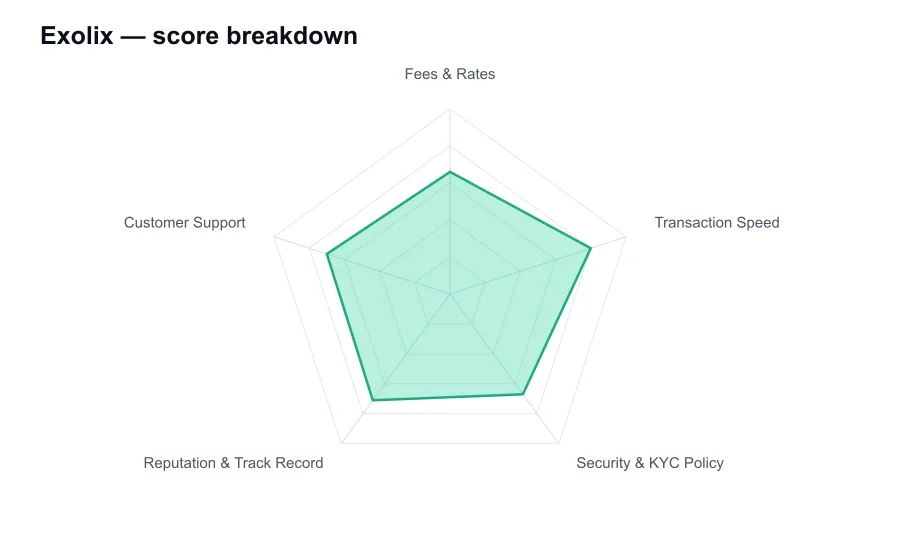
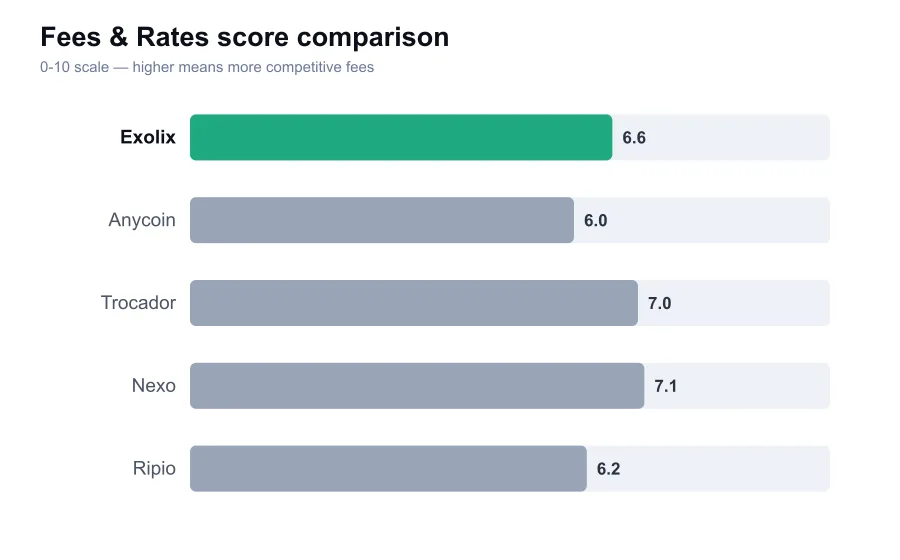
Exolix does not publish a conventional exchange fee table because its compensation is included in the quoted rate. Network fees, partner liquidity, and market conditions all influence what you receive. That is standard for instant exchange providers, but it is not transparent pricing in the way that a 0.16 percent spot fee is transparent. Run the same transaction through two or three providers before committing, particularly for a large swap.
The platform can look cheap on a popular pair and less competitive on a thin token or a cross chain route. That is where broad asset support comes with a catch. A service may need to source liquidity through external partners, which can widen the spread and create more operational dependencies. If an obscure token is your priority, Exolix may be useful. If price execution is your priority, use an exchange with a real order book where possible.
Speed is usually good for routine swaps. Exolix can process many common transactions shortly after it detects the required deposit confirmations, and the flow avoids the delays of funding, trading, and withdrawing from a full account exchange. But the blockchain still sets the pace. Bitcoin deposits can be slow in congested periods, Ethereum token transactions can become expensive or delayed, and a low fee sent from your wallet can leave an order waiting.
The provider says it does not require registration for ordinary swaps. That is helpful for people who dislike needless account creation. It is not an unconditional no KYC guarantee. Exolix has an anti money laundering policy and may request identification, source of funds evidence, or other information where its risk systems flag a transaction. This is the central limitation of the instant swap model, and users should understand it before sending funds.
A compliance review can be particularly frustrating because it changes the experience from a quick swap to a custodial case. If you are using funds with a complicated history, interacting with high risk services, or moving a large amount, the chance of questions rises. That is not unique to Exolix, and avoiding every centralized service is the only way to eliminate this category of risk. Still, it is a serious reason to test first with a small transaction.
The non custodial label needs careful interpretation. Exolix does not function as a place to hold a continuing account balance, which reduces one sort of exchange risk. During the actual conversion, however, you send assets to an address under the service's operational control. It is a short period of custody and counterparty risk. Always double check the destination, token network, memo requirements, and minimum deposit before you send.
Exolix has a decent public track record for an instant swap provider, though its reputation is not on the level of a major licensed exchange with extensive disclosures, audited reserves, and a large compliance organization. User feedback tends to praise straightforward swaps and a broad selection, while negative reports often center on delayed orders, changing rates, or verification requests. That pattern is unsurprising. It is also why this service should be used with eyes open rather than through blind automation.
Customer support is available around the clock through site channels, and that matters because crypto transfer problems do not wait for office hours. The quality of support is most important when an order is pending, not when an FAQ answers a basic question. In my experience with this class of provider, clear evidence gets faster progress. Give the order ID, transaction hash, sending wallet details, and a concise description instead of opening multiple vague tickets.
The interface is among Exolix's strengths. It does not overload a simple swap with trading jargon, and the fixed versus variable choice is visible enough to prompt the right question. Beginners can navigate it, although beginners are also the people most likely to send the wrong network or misunderstand a floating rate. Convenience does not remove the need for basic crypto literacy.
Exolix is a good specialist tool for occasional multi asset swaps, especially where its token coverage solves a real problem. It is not the place to chase the lowest execution cost, store funds, or assume that no identification will ever be required. I would choose it for a modest fixed rate conversion after comparing quotes, then move the received coins into my own wallet. That is the sensible way to use an instant exchanger.